A $25 sale on Etsy marketplace nets you roughly $22 after listing fees, transaction fees, and payment processing. That same sale through your own branded site nets you about $24, keeping $2 more per order. Multiply by 1,000 sales and you've got an extra $2,000 to fund your next product line, upgrade equipment, or finally pay yourself what you're worth.
The difference comes down to Etsy's fee structure: a $0.20 listing fee, 6.5% transaction fee, and 3% + $0.25 payment processing add up fast. For shops exceeding $10,000 in annual sales, mandatory offsite ads tack on another 12%, pushing total fees past 20% per sale. Meanwhile, standard payment processors like Stripe payments charge 2.9% + $0.30, and that's it.
This math matters because choosing crafts to make and sell involves two decisions: picking the right product category and building the right business setup. Etsy's nearly 87 million active buyers provide immediate market access, but that access costs you margin on every sale. The craft entrepreneurs scaling past $50,000 annually understand something critical: marketplaces work for customer acquisition, but owned platforms build long-term value. Tools like Lovable's platform, an AI app builder for developers and non-developers, let craft sellers describe the storefront they want and build it themselves, keeping more of every dollar.
Here are eight craft categories offering strong profit-to-effort ratios, and what you need to know about each one.
1. Handmade Jewelry: The Personalization Goldmine
Custom and personalized jewelry commands premium prices while keeping material costs remarkably low.
How It Works
Basic to intermediate jewelry pieces typically contain just $0.70–2.10 in materials (beads, wire, and findings), while more complex pieces may reach $3–8 in materials. Using the standard pricing formula, a piece with $2 in materials and $10 in labor costs (30 minutes at $20/hour) totals $12. Selling at 3× the total cost yields a $36 retail price with a 67% gross margin, leaving substantial room for healthy profits even after accounting for your time and platform fees.
Key Considerations
Jewelry consistently ranks among Etsy's top categories, with strong December growth driven by gifting and customization demand. Startup costs range from $500–3,000 for a legitimate business setup including materials, tools, and business registration. The personalization angle, including custom engravings, birthstone incorporation, and name pieces, differentiates you from mass-produced alternatives and justifies premium pricing.
2. Candles and Bath Products: High-Margin Home Comfort
Scented candles and bath products combine low material costs with built-in repeat purchase behavior. When someone finds a candle scent they love, they come back, turning one-time buyers into recurring revenue.
How It Works
Material costs typically run 20–30% of retail price for handmade candles. A candle selling for $15 might cost $3–4.50 in wax, fragrance, and containers, leaving $10.50–12 in gross profit. Industry data confirms 50–70% profit margins are achievable for handmade candles, even at small scale. Bath bombs follow similar economics: $1.50 production cost sells for $4.50–6.00, making them highly profitable at volume.
Key Considerations
The candle market is growing at a 6.4% CAGR, projected to reach $20.10 billion by 2030 per Grand View Research. Startup costs average around $1,500. The U.S. accounts for a significant share of global handmade soap revenue, driven by consumer preference for organic and sustainable products. Position your products as eco-friendly and artisanal to tap into wellness-conscious buyers.
3. Digital Printables: Zero Inventory, Unlimited Sales
Digital products flip the traditional craft business model. Create once, sell infinitely, with zero reproduction costs, no shipping, and no inventory.
How It Works
You create planners, wall art, templates, or SVG cut files using design software like Canva Pro or Adobe Creative products. After the initial creation investment (your time plus software subscriptions), each sale costs nothing to fulfill. Etsy handles automated digital delivery. A $10 planner template that took you 5 hours to create generates pure profit on sales 2 through infinity. Digital products achieve 85–90% net profit margins after platform fees, compared to physical craft products which typically achieve 40–75% gross margins depending on category.
Key Considerations
Printable wall art, digital planners, and SVG files consistently rank among Etsy's top-selling digital categories. The trade-off for exceptional margins is competition: low barriers mean crowded markets. Success requires a distinctive design aesthetic, specialized niches, and strong marketing. This category works particularly well as a supplemental product line alongside physical crafts or as a standalone passive income opportunity.
4. Personalized Home Décor: Custom Signs and Wall Art
Personalized wall art and custom signs tap into a consumer trend that shows no signs of slowing: people want homes shaped by memory and meaning, not mass-produced sameness.
How It Works
Entry-level Cricut machines cost under $200, with blade cutters starting under $500. You create custom wooden signs, vinyl wall art, or personalized prints using relatively inexpensive materials. Wall art achieves approximately 74% profit margins, while apparel achieves around 60% margins based on industry benchmarks.
Key Considerations
Metal wall art demonstrates the pricing potential: a piece costing $30 to produce sells for $75–100, netting $45–70 profit per unit at 60–70% profit margins. Year-round demand gets seasonal boosts from Earth Day, summer décor refreshes, and back-to-school dorm shopping. House Beautiful identifies personalization as a dominant 2026 trend, validating this category's staying power.
5. Pet Accessories: Tapping the Devoted Pet Parent Market
The pet industry represents a $152 billion market with 94 million U.S. households owning at least one pet, according to the APPA 2025 report. Pet humanization trends mean owners increasingly view their pets as family members deserving high-quality, personalized products.
How It Works
Custom collars, bandanas, pet portraits, and personalized accessories serve a customer base known for emotional purchasing decisions. The pet accessories segment is growing at a 6.9% CAGR, projected to reach $9.97 billion globally by 2030 per Grand View Research. Premium positioning works because pet parents prioritize quality over price when buying for their animals.
Key Considerations
The APPA's 2025 report shows Gen Z pet ownership increased 43.5% from 2023 to 2024, representing 20% of pet-owning households. This demographic engages heavily with e-commerce and personalized products, making them a strong target for craft sellers offering custom pet accessories.
6. Stickers and Paper Goods: Low-Cost, High-Volume Sales
Stickers offer moderate startup costs ($150–1,100 with equipment) and production costs of $1.13–1.68 per unit, with gross profit margins of 50–67% when priced at $3.39 per sticker. These margins fall short of higher-performing categories like candles or digital products, making them better suited for testing designs and building an audience before scaling to premium product categories.
How It Works
Printable vinyl sticker paper costs around $0.50–1.00 per sheet. Total production and shipping costs run $1.13–1.68 per unit, with recommended minimum pricing at $3.39 per sticker. Premium finishes like holographic, metallic, or textured materials can justify higher price points.
Key Considerations
Equipment investment ranges from $150–1,100 for entry-level printers and Cricut cutting machines. Profitability depends on sheet layout and batch production efficiency. Stickers work well as complementary products: bundle them with other crafts, use them as brand-building giveaways, or create themed collections that encourage multiple purchases.
7. Crochet and Knit Items: Handmade Warmth With Staying Power
Amigurumi dolls, seasonal accessories, and handcrafted yarn goods attract buyers specifically seeking authentic handmade items.
How It Works
The key to profitability lies in using established pricing formulas that properly account for material costs plus hourly labor. The industry-standard formula is: Cost × 2 = Wholesale Price, Wholesale × 2 = Retail Price, which yields 75% retail margins before platform fees. For amigurumi pieces requiring 3+ hours of labor, pricing must reflect a minimum $15/hour wage to ensure viable business economics. A moderately complex amigurumi taking 3 hours at $15/hour with $5–10 in materials should price around $79 to properly compensate your time. Startup costs stay low at $100–300 for yarn, hooks, and notions.
Key Considerations
The primary challenge is buyer education combined with proper pricing strategy. Many customers don't initially understand why handmade pieces cost more than mass-produced alternatives. Success requires communicating the value of skilled craftsmanship and finding customers who appreciate, and will pay for, authentic handmade work. Etsy and Instagram communities serve as primary platforms where crochet makers thrive, making them essential channels for reaching buyers already seeking handmade items.
8. Resin Art and Jewelry: Trending Creative Expression
Resin coasters, jewelry, and decorative pieces offer high perceived value with accessible entry costs. The category continues trending upward, driven by consumer interest in unique, personalized handmade goods.
How It Works
Entry-level resin kits cost $16–18 for basic supplies. Coasters sell for $5 individually or $20 for sets of four, while custom pieces command $50–500+ depending on complexity. The combination of low startup costs and high perceived value creates attractive profit margins for patient crafters willing to master the technique.
Key Considerations
Personalization is the primary growth driver for resin products. Bio-based resins formulated with plant-derived materials represent an emerging differentiation opportunity for sustainability-conscious positioning. The learning curve matters: resin requires technique mastery for professional results, so factor in practice time before launching.
How to Choose Your Craft
Choosing the best crafts to make and sell depends on your specific situation. Here are the key decision factors to weigh.
Startup Costs
Digital printables and resin art offer sub-$100 entry points for testing. Jewelry requires $300–850 for home-based entry or $500–3,000 for legitimate business setups with proper registration and inventory. Candles require roughly $1,500 for typical business launch. Home décor equipment runs $200–500.
Time Investment
Digital products front-load creation time but require zero fulfillment effort afterward. Crochet and knit items demand significant per-piece labor. Candles and bath products allow efficient batch production.
Profit Margins
Digital products lead at 85–90%. Wall art and candles achieve 60–75%. Jewelry and bath products run 50–70%. Stickers and yarn goods require premium positioning to exceed 50%.
Scalability
Digital products scale infinitely without additional effort. Physical products require proportional time investment, though batch production and efficient workflows improve output over time.
Physical vs. Digital
Physical products create tangible customer connections and support higher perceived value. Digital products eliminate shipping logistics and inventory management entirely.
Build Your Craft Business Beyond Marketplaces
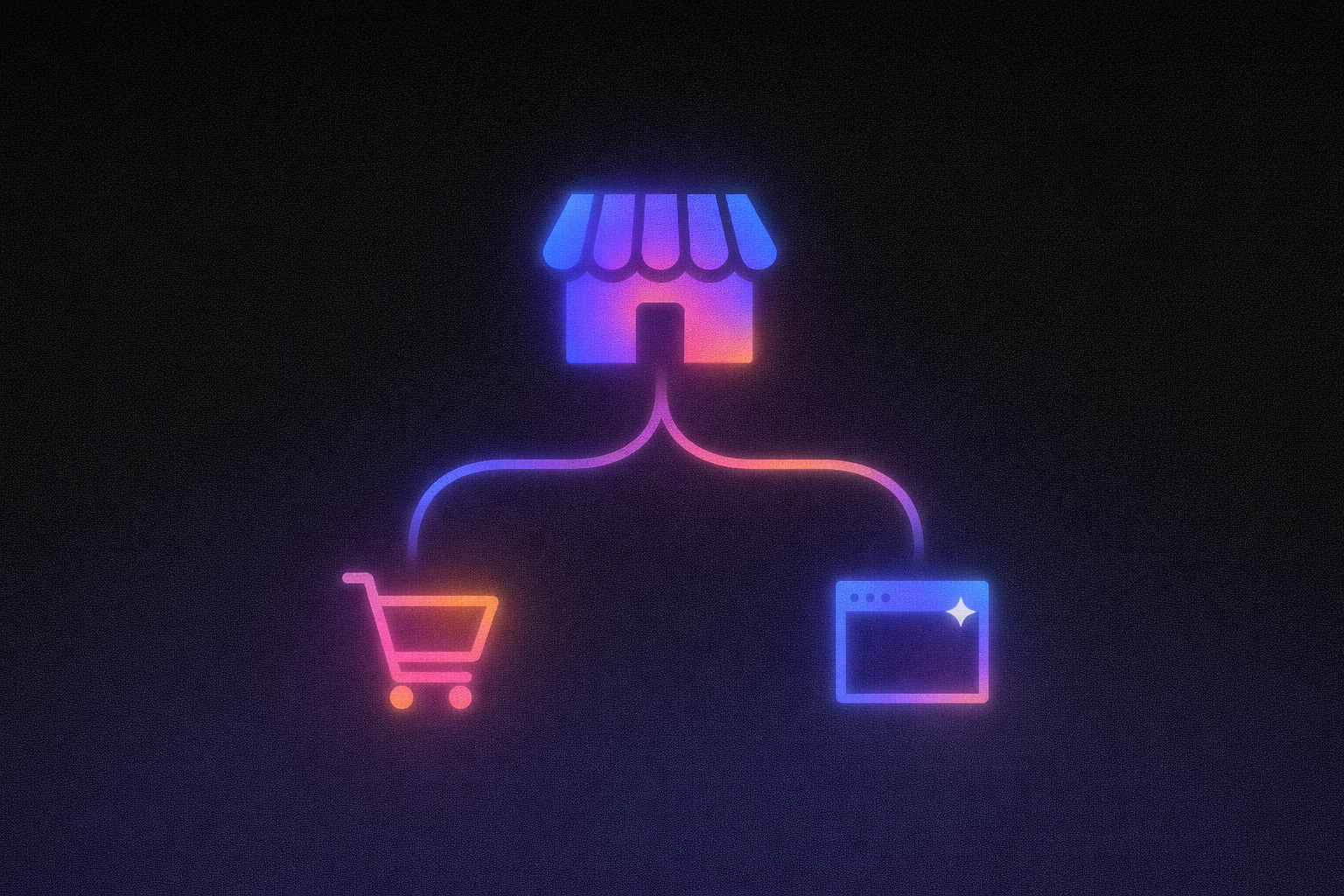
Successful Etsy sellers who operate multi-channel businesses understand something important: marketplaces excel at customer acquisition, but owned platforms build lasting value. You use Etsy to reach its nearly 87 million active buyers and generate first orders. Then you direct customers to your own branded presence for repeat purchases, keeping 7–10 percentage points more margin and building a customer list you actually own.
Building a custom product catalog or branded portfolio traditionally required hiring developers ($5,000–25,000+) or navigating clunky website builders. The real question is whether to accept Etsy's fees for customer access or invest in owned platforms for long-term margin improvement.
Lovable changes that equation. As an AI app builder for developers and non-developers, Lovable lets you describe what you want and build it yourself: a custom product catalog with your branding, an order management system for custom requests, or a portfolio that showcases your craft. Think of it as vibe coding for your business: you describe the outcome, and Lovable turns it into a working application. No templates that make your business look like everyone else's.
You can use Visual Edits to click and modify your interface directly, connect payment processing through Stripe integration, and maintain full control via GitHub sync. The same hybrid approach that works for craft sales, marketplaces for discovery and owned platforms for retention, applies to your digital presence.
For anyone exploring crafts to make and sell, here's the bottom line: 1,000 sales at $25 through Etsy nets you approximately $22,175 after fees. The same sales through your own site using standard payment processors net approximately $24,000. That roughly $1,800 difference compounds year over year, funding growth while building a brand asset that belongs entirely to you.
Start building the branded presence your craft business deserves.