dig, a social intelligence platform, hit a wall with its own internal tools when a customer success platform failed after months of setup. RevOps Director Shlomi Tsemach built the replacement himself. His customer success hub and revenue dashboard were live in two weeks and adopted company-wide by week five. So they kept going. Next came dig’s own version of Gong for the sales team, a tool for business development, and several more internal apps. Ofer, co-founder and CEO of dig, eventually pulled together a dedicated team made up of people from R&D, RevOps, and operations to own these tools full-time.
Then dig took the same model into the product it sells. Ofer saw an opportunity to turn the intelligence behind dig’s open-ended chatbot into purpose-built apps for specific customer needs. Requests that might have stalled in development purgatory can now become working apps in days.
Custom apps now help dig win enterprise customers. Every proof of concept comes with an app built around that prospect’s use case, and Ofer says dig hasn’t lost a deal since. dig has now rolled out 10 purpose-built apps to customers through its own app store—all built with Lovable—with dozens more planned this year.
dig was built around a simple problem: Social media moved to video, but social listening didn’t. While legacy platforms were still reading text captions, comments, and keywords, the conversations brands cared about were increasingly happening inside TikToks, Reels, and YouTube videos. dig’s intelligence platform analyzes what’s being said, shown, and felt inside 750 million social posts every month to help brands see the narratives forming around them.
dig was already using AI everywhere, and as an engineer by training, co-founder and CEO Ofer Familier saw its potential. But when he looked around, his teams were still relying on (and spending months implementing) the same tools they’d used for decades.
Ofer saw it firsthand when dig’s RevOps and customer success teams spent months trying to get one platform working. Even with paid, outside integration support, it still didn’t work the way they needed it to. Their instinct was to move on to another SaaS vendor. Instead, Ofer asked: What if we don’t buy another tool? What if we build what we need instead?
Swapping broken SaaS platforms for working tools
As RevOps Director, Shlomi Tsemach was close enough to the problem to know what his team really needed. He had already been experimenting with Lovable, so he decided to try building the solution himself.
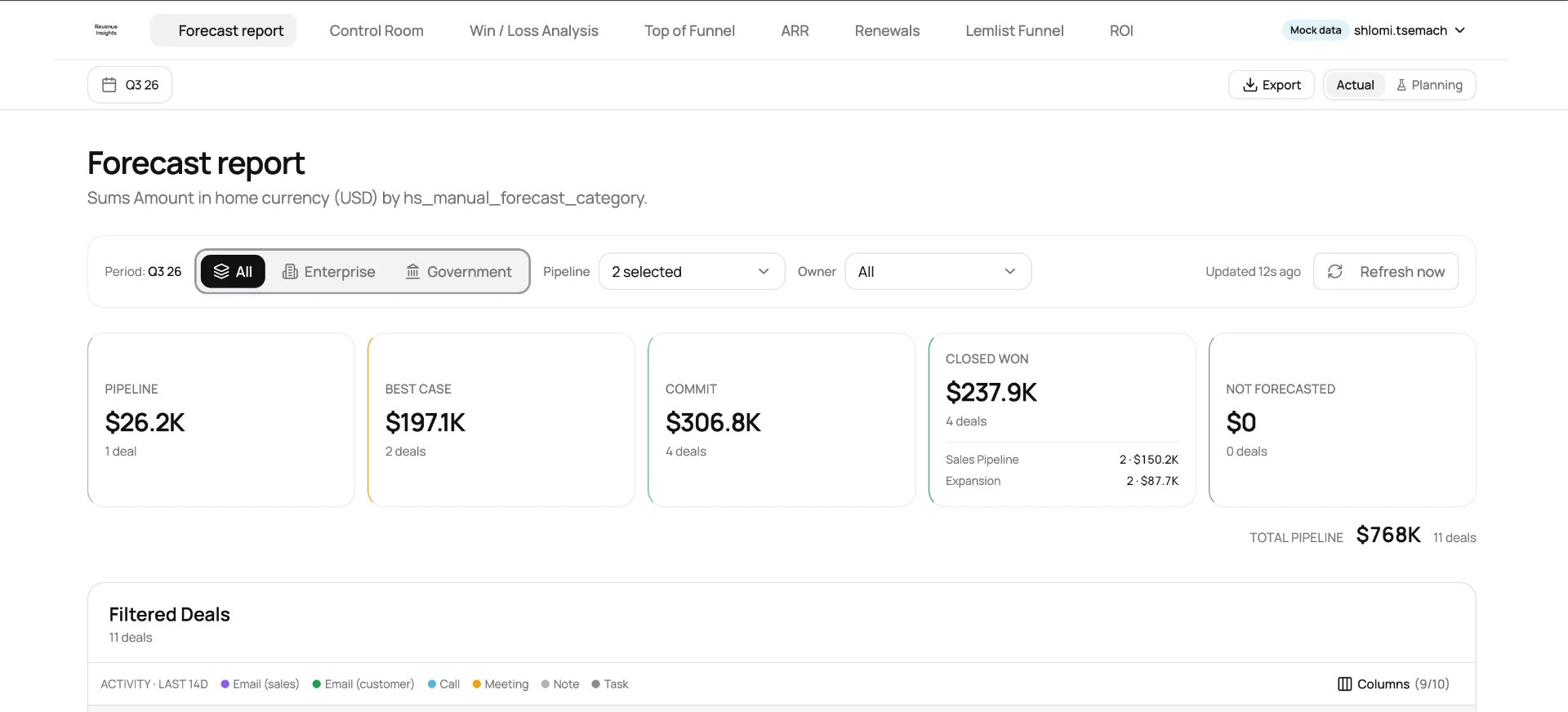
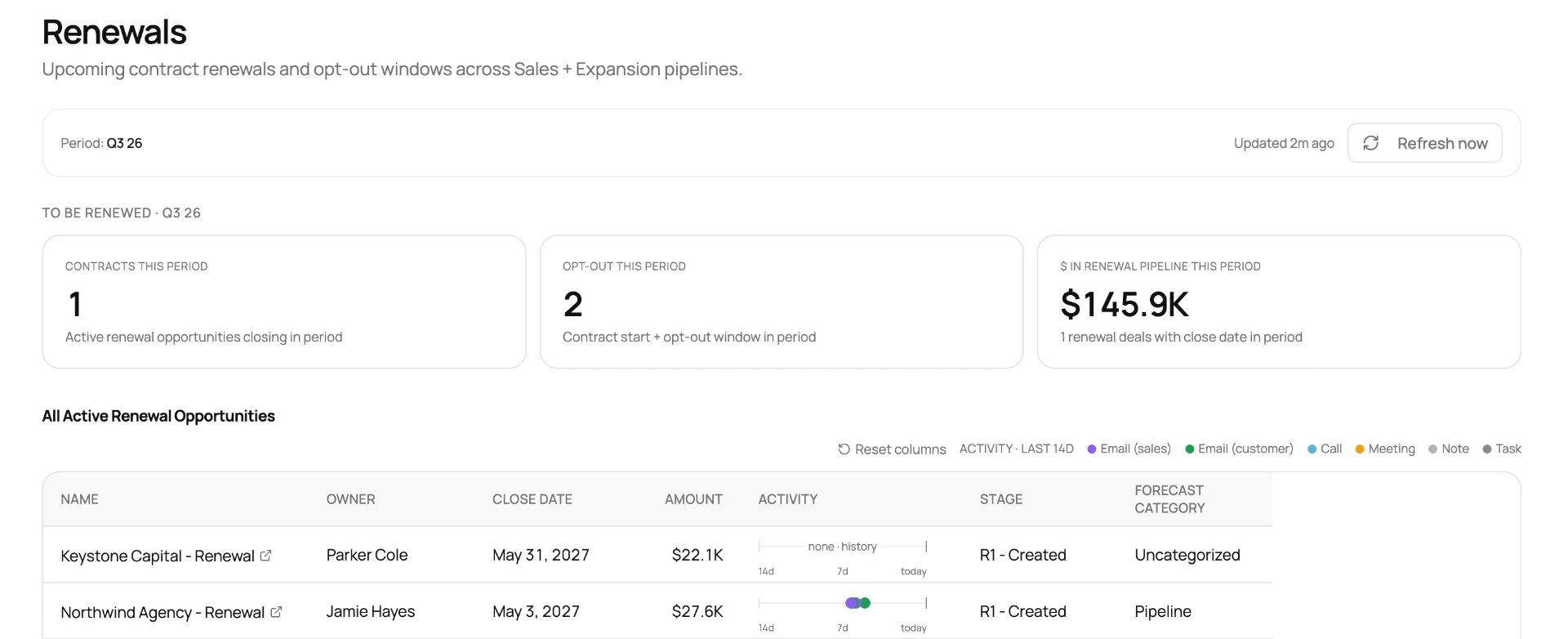
Shlomi used Lovable to build a CSM hub and a revenue dashboard to replace the platforms his team had spent months trying to integrate. The CSM hub pulls sales and customer data together with dig’s own product data, with different views for operations and CSMs. Both tools were in active use within two weeks, and by week five, every team that needed them had adopted them. That speed and simplicity proved to Ofer that dig could move differently.
Shlomi showed us that with Lovable, the people closest to a problem could actually be the ones to solve it.
Ofer Familier, Co-Founder & CEO
Next, dig used Lovable to create its own version of Gong for the sales team, then a full tool for the BDRs, and several more internal apps. Ofer eventually pulled together a dedicated group of people from R&D, RevOps, and operations to own these tools full-time. Instead of flagging every new need to the product team or buying another tool, the people closest to the problem now build and improve the solution themselves.
And that got Ofer thinking.
Once we saw what we could build for ourselves, the question became: why couldn’t we build this way for our customers,
too?
Ofer Familier, Co-Founder & CEO
Repackaging chatbot intelligence for user needs
Until this point, most dig customers accessed its social intelligence through a chatbot. They could ask almost anything about their brand, audience, or competitors and get an answer grounded in dig’s data. Power users loved the freedom. But as Ofer spent more time with senior marketing leaders at large enterprises, he kept hearing the same question: How would my team use this every day?
The chatbot could surface almost any insight, but customers still had to know what to ask for. Ofer started wondering if dig could take the same approach it was using internally: Start with the problem, then build the experience around it with Lovable. Instead of giving every customer the same open-ended interface, dig could give them an app designed for their specific need.
dig’s product and R&D teams started turning the intelligence behind its chatbot into purpose-built Lovable apps for exactly those jobs. A customer request that might have spent months competing for space on the product roadmap, or never made it there at all, could now become a working app in days.
Realizing we could use Lovable to accelerate our customer-facing product changed how we approached selling into
accounts.
Chen Guter, Chief Marketing Officer
The app their social team needed, built overnight
A global consumer brand with locations worldwide came to dig with a very specific problem. Its social media team monitors a vast volume of content about the brand’s locations around the world. Almost all of that content is positive, but what the team really needs to find is the exception: the negative TikTok posted from one of those locations while there’s still time to reach out and make it right.
Rather than explain how dig’s data could solve that problem, Ofer and the team built an app overnight with Lovable to show them. It plots all of them on a world map and uses dig’s data to categorize social content around each location with a stoplight system: green, yellow, or red. When a dot turns red, the team can see the post behind it while there may still be time to talk to the customer and turn their experience around.
The customer was sold, and that experience is now core to dig’s sales process.
We’re no longer demonstrating the same product to every buyer. Every POC now comes with an app built with Lovable
specifically around that customer’s needs. Since we started doing that, we haven’t lost a single deal.
Ofer Familier, Co-Founder & CEO
10 apps live. Dozens more on the way
A few months after Shlomi built that first internal tool, Ofer found himself in a room with more than 100 CEOs talking about a perception he’d heard before: Lovable is great for prototypes and POCs, but not for real products. But this time, he had his own success stories to tell.
dig isn’t stopping at the proof of concept. The app store turns dig into a control center. Every app is built with Lovable around a job someone does every day, so a team can see what’s happening and act on it without leaving dig.
Ten apps are live in the store now, covering the jobs most brand, social and marketing teams share. When a team needs something specific to the way it works, dig makes that one too. Every customer ends up with software designed around their own work, whether they find it in the store or dig ships it for them.
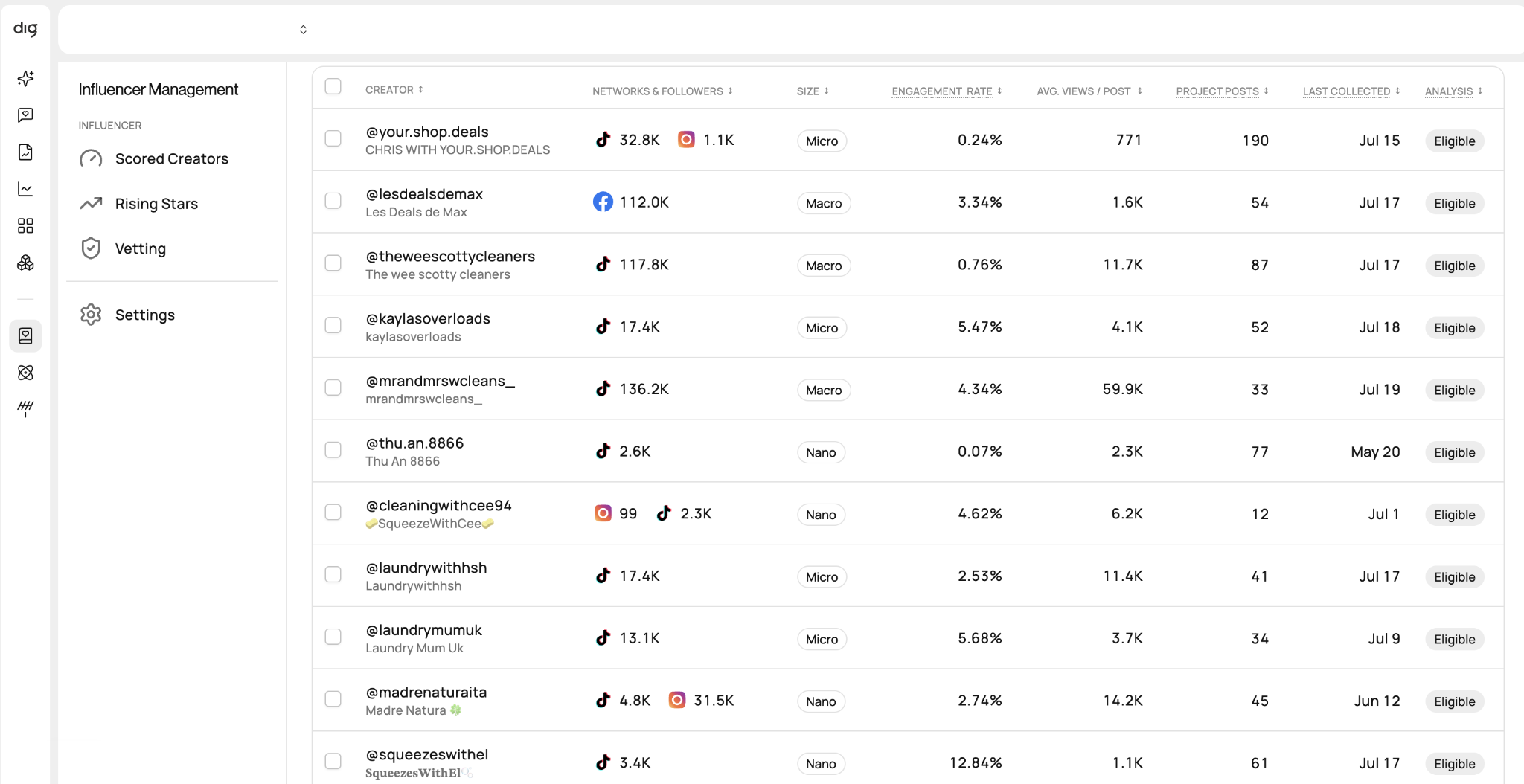
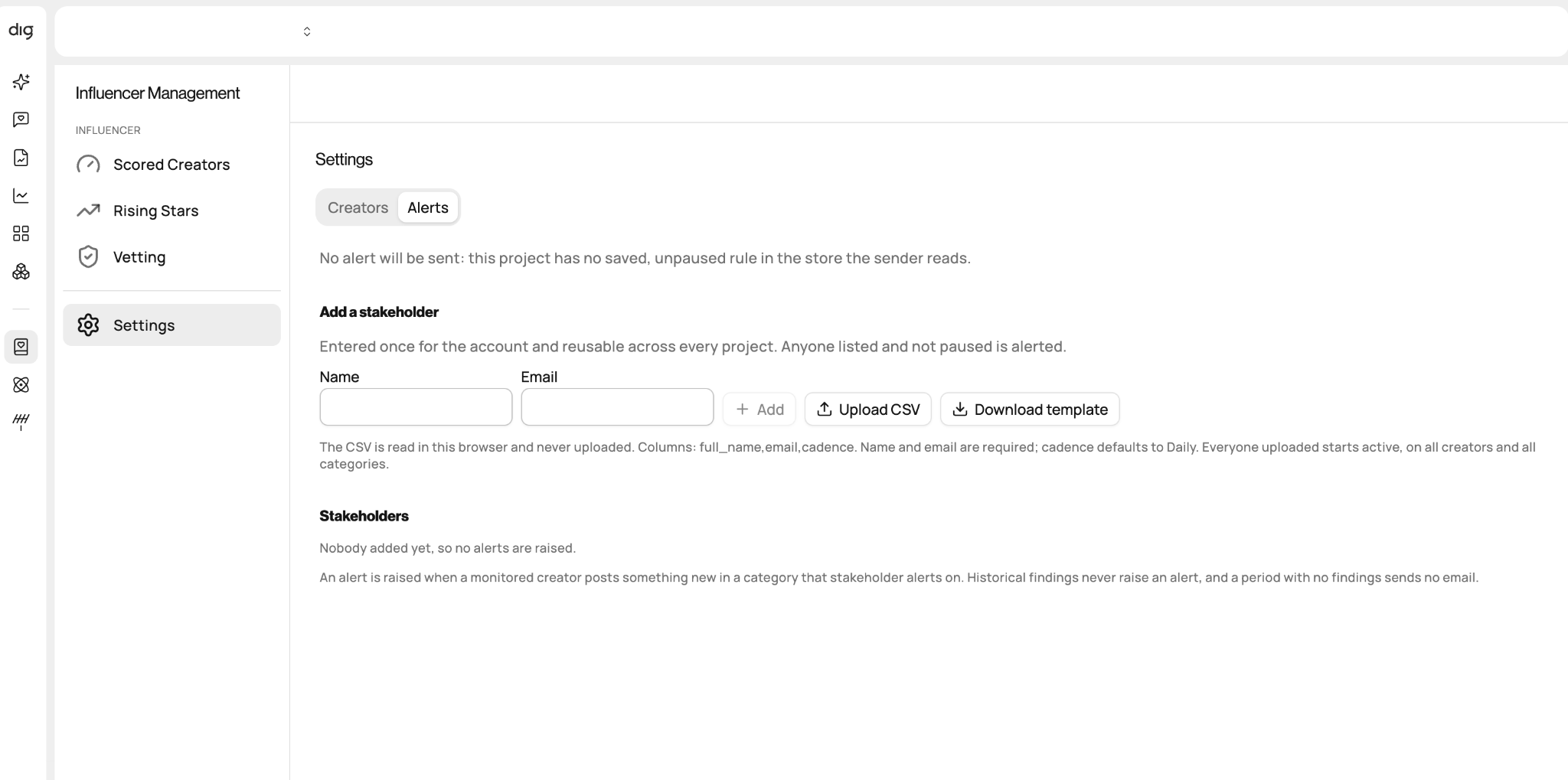
One is an Influencer Discovery app built on top of dig’s social dataset. Instead of manually parsing creator profiles across platforms, the app automates a three-step workflow: it identifies recurring creators across an industry, analyzes their last 30 days of video content, and scores them on performance and audience fit. From there, marketing teams can filter by tone, values, and audience size.
The app scans up to a year of historical video posts in seconds to flag potential brand risks, benchmarks creators against their peers, and will soon let teams reach out and hire them directly from the same interface.
What began with a RevOps director building the tool his own team needed is now how dig builds for everyone. Dozens more apps are already on the roadmap. Each one replaces the open chat box with software shaped around a job someone does every day, so dig’s customers no longer have to know what to ask to get an answer they can act on. dig is now tracking gross revenue retention tied to the app store as its next sign of impact.
The app store turns dig into a control center. The data comes in, the insight comes out, and the decision gets made in
the same place. Every app is built around a job someone does every day, so the work never has to leave the platform.

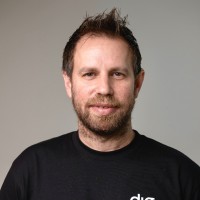 Ofer FamilierCo-Founder & CEO
 Shlomi TsemachRevOps Director
 Chen GuterChief Marketing Officer